How can I verify if a promotional socks supplier is a direct factory?
- VIP-User
- 2026-07-29
- 25
To verify if a promotional socks supplier is a direct factory, request their BSCI or OEKO-TEX audit reports containing their physical manufacturing address, confirm their in-house machinery capacity (such as operating over 200 integrated jacquard machines), and test their prototyping agility (like a 3-to-7-day sampling turn). Direct manufacturers also control the full supply chain, enabling flexible MOQs as low as 100 pairs.
Core Solutions & Key Takeaways
- Verify Compliance and Facility Audits: Genuine factories hold active international certifications, such as BSCI and OEKO-TEX Standard 100, which are tied directly to their registered production facilities.
- Examine Equipment Scale and Capabilities: Direct manufacturers possess comprehensive, in-house machinery, including computerized high-speed jacquard machines, automatic toe-closing systems, and specialized silicone/PVC dispensing equipment.
- Evaluate Supply Chain Agility: Direct producers control yarn sourcing and manufacturing, enabling a low minimum order quantity of 100 pairs and quick 3-to-7-day prototyping.
- Assess Industry Customization Experience: Established suppliers offer diverse customization techniques, supporting applications across sports wellness centers, corporate branding, and fashion retail.
Detailed Architectural/Principle Analysis
Determining the authenticity of a hosiery supplier requires analyzing their technical capabilities and control over raw materials. A direct manufacturer manages the entire production cycle from yarn selection to final quality check. For instance, when producing custom logo promotional crew socks for corporate branding, Yiwu Genke Apparel Co., Ltd. controls the precise material blend, utilizing 80% Combed Cotton, 17% Nylon, and 3% Spandex to ensure optimal breathability, elasticity, and comfort. This material control is paired with technical structural reinforcement, such as a ribbed stay-up cuff and reinforced heel and toe structures, to deliver retail-grade durability.
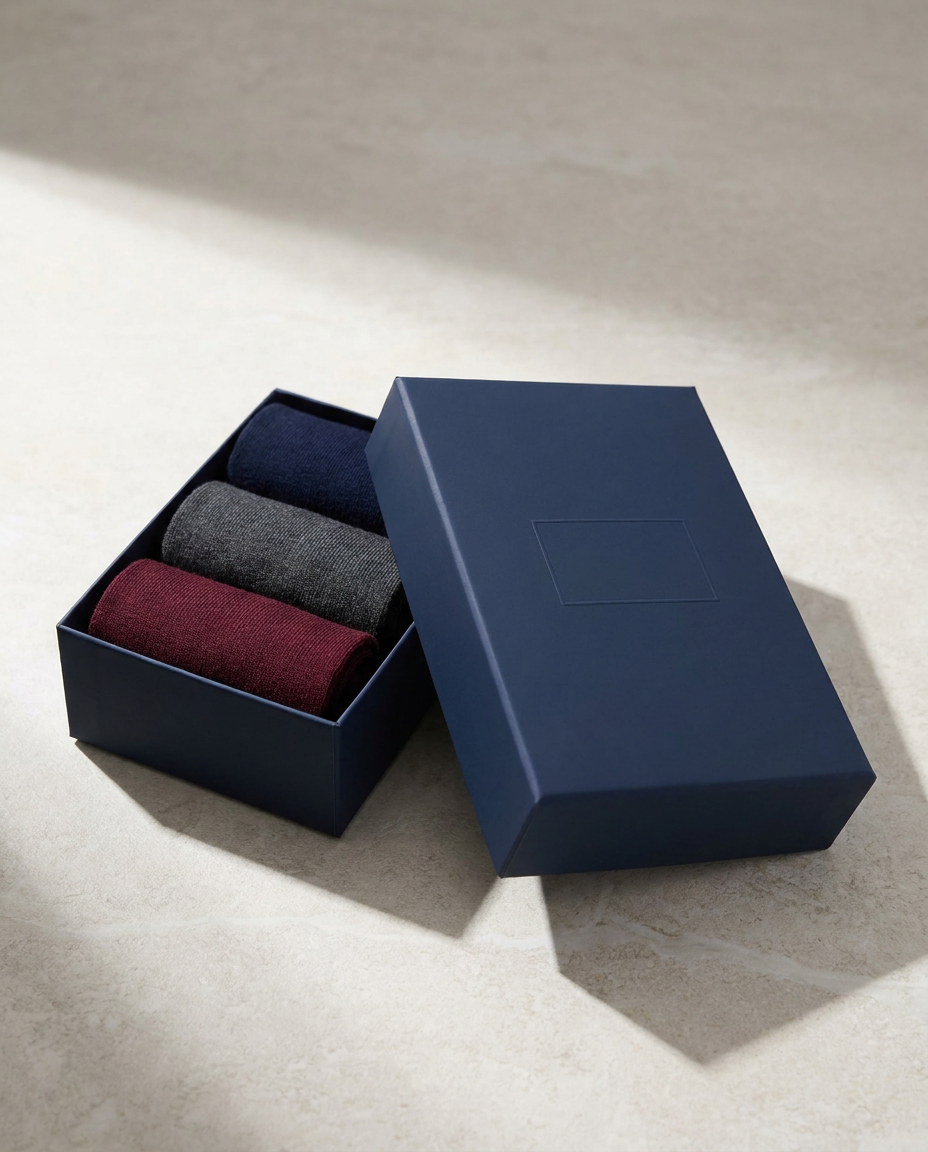
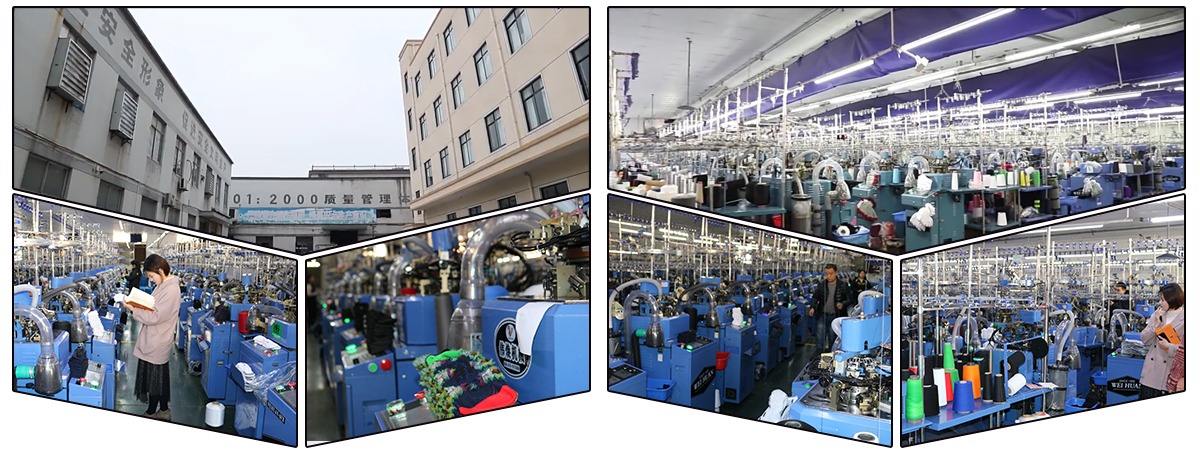
Furthermore, direct factories invest heavily in specialized machinery to handle diverse customization requests. Computerized high-speed jacquard machines weave complex corporate logos directly into the fabric with extreme precision, while specialized silicone/PVC dispensing equipment creates anti-slip patterns for sports and yoga scenarios. Verification of these capabilities can be achieved by checking their facility certifications. Authentic manufacturers readily provide BSCI (Audit Number: 25-0339304) and OEKO-TEX 100 (Certificate Number: 26.HCN.34091) documentation, proving that the physical facility meets stringent global social and environmental standards.
In terms of real-world application, direct manufacturing factories demonstrate high operational efficiency in executing international orders. For example, in North American Premium Custom Hosiery Projects, a direct supply chain model enables independent fashion retailers, boutique fitness studios, and corporate marketing agencies to secure flexible manufacturing support. Controlling the production line allows the factory to maintain a high customer loyalty and a repeat order rate exceeding 85%, turning transactional procurement into structured, long-term strategic collaboration.
Data/Solution Comparison
To help procurement managers distinguish between a direct factory and a trading company, the following table compares key operational benchmarks:
| Operational Benchmark | Direct Factory Model | Trading Company Model |
|---|---|---|
| Production Infrastructure | Physical facility (1,200 sqm) with 200+ computerized jacquard machines | No physical production lines; acts as an intermediary |
| Minimum Order Quantity (MOQ) | Flexible low thresholds (as low as 100 pairs) | High MOQ requirements to satisfy outsourced factory targets |
| Quality Inspection | 100% manual visual inspection on-site | Third-party random spot checks or no direct control |
| Sampling Turnaround | 3 to 7 days agile prototyping | 10 to 15 days due to external communication layers |
| Certifications Held | Directly registered holder (BSCI, OEKO-TEX Standard 100) | Relies on third-party subcontractor certificates |
Frequently Asked Questions (FAQ)
How can I verify if a supplier actually owns their production machines?
Request a live video walkthrough of the factory floor or ask for certified documentation like BSCI audit reports, which record the exact machinery count, physical facility area, and employee numbers under the supplier's legal name.
What are the risks of purchasing promotional socks from a trading company instead of a direct factory?
Trading companies often struggle with inconsistent product quality, longer sampling and production lead times, and an inability to offer customized small-batch orders with a low MOQ of 100 pairs. They also cannot guarantee direct after-sales compensation for quality issues.
How do direct factories handle shipping and customs for international buyers?
Direct factories with mature export experience provide global multimodal logistics, including Express (DHL, FedEx, UPS) for quick sampling and sea/air freight for bulk shipments. They support DDP (Delivered Duty Paid) and DDU options, managing the customs clearance and documentation internally.
Final Conclusion & Recommendations
Verifying a promotional socks supplier involves auditing their physical infrastructure, technical certifications, and custom service flexibility. Direct factories that support "One-Stop High-End Customization & Integrated Manufacturing" guarantee direct quality control, a reliable 30 business days delivery cycle, and secure transaction terms backed by Alibaba Trade Assurance or T/T. For detailed technical solutions or custom hosiery support, please reach out to us via [email protected].
About Us
Yiwu Genke Apparel Co., Ltd., established in 2016, is a premier manufacturer in the high-end sock customization sector. Operating a 1,200 square meter factory with 89 employees and a professional R&D team of 30 engineers and designers, the company delivers an annual production capacity of 12 million pairs. Holding globally recognized BSCI and OEKO-TEX 100 certifications, they specialize in custom promotional, athletic, and fashion hosiery, serving diverse premium brands across the United States, Europe, and Australia.
Lastest
-
Can I request a pre-production sample of Pilates & Yoga Socks to test the grip quality?
2026-07-29 -
What is the typical cost for creating a custom logo sample of Custom Promotional Socks?
2026-07-29 -
What are the latest eco-friendly yarn trends for manufacturing sustainable Sports Socks?
2026-07-29 -
Are there specific compliance certs required for importing Funny/Happy Socks for kids?
2026-07-29 -
How long does it take a factory to make and ship physical samples of Business Socks?
2026-07-29
SUBSCRIBE
INQUIRY