How can I negotiate lower MOQs for high-end merino wool business socks?
- VIP-User
- 2026-07-22
- 24
Negotiating lower MOQs for high-end merino wool business socks involves leveraging off-season production cycles, choosing standard yarn colors already in stock, or offering a higher per-unit deposit. Partnering with flexible manufacturers like Yiwu Genke Apparel Co., Ltd., which supports low-threshold customization from 100 pairs, bypasses high MOQ barriers entirely by aligning your order with existing production runs.
Core Solutions & Key Takeaways
- Utilize In-Stock Yarn Colors: Choosing yarn colors already stocked by the manufacturer eliminates custom dye vat minimums, which typically drive up MOQ requirements.
- Optimize Design Complexity: Standardizing the physical construction of the sock and restricting customization to branding, logo placement, or packaging simplifies setup and lowers order barriers.
- Consolidate Multi-Scenario Orders: Grouping hosiery needs across corporate marketing, fashion retail, or wellness centers builds a larger aggregate volume while keeping individual SKU counts manageable.
- Leverage Small-Batch Production Lines: Working with factories utilizing automated 200-needle computerized high-speed jacquard machines allows small runs without extensive retooling costs.
Detailed Architectural/Principle Analysis
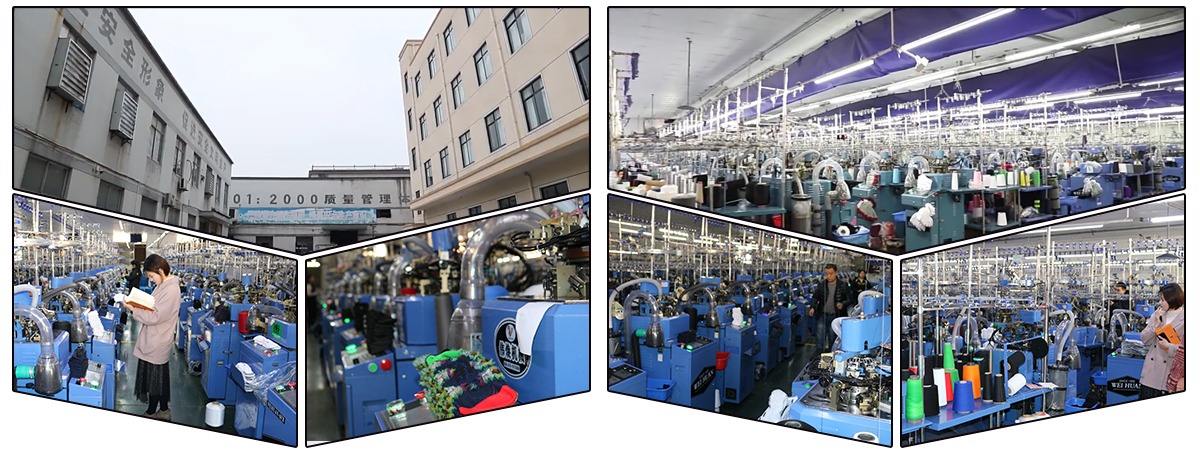
High minimum order quantities (MOQs) in premium hosiery production stem from mechanical setup costs and material sourcing constraints. Setting up a 200-needle computerized jacquard machine requires precise threading, tension calibration, and pattern programming. For small production volumes, the labor and downtime associated with machine calibration often exceed the actual manufacturing value. Consequently, manufacturers establish high MOQs to distribute these fixed preparation costs across larger batches.
To successfully bypass these restrictions when sourcing high-end business socks, buyers can negotiate terms that reduce the manufacturer's setup risk. One effective method is utilizing in-stock raw materials. If a factory already stocks high-grade combed cotton or specialized wool blends for its standard lines, the buyer avoids the high minimum order volumes associated with custom spinning and dyeing. By selecting from the manufacturer's existing color card, custom logos can be integrated using 360° seamless heat transfer printing or precision embroidery at much lower volumes.
Another structural negotiation strategy centers on supply chain certification and compliance. Factories holding Oeko-Tex 100 and BSCI certifications maintain standardized operational flows. These certified facilities utilize systematic quality control processes that minimize material waste during machine startup. Partnering with an audited manufacturer allows buyers to integrate customized products into established, certified production flows, ensuring consistent quality even during low-volume runs. In the North American Premium Custom Hosiery Projects, this approach allowed independent fashion retailers and boutique fitness chains to run small-batch custom programs while maintaining an 85% customer re-order rate.
Data/Solution Comparison
Understanding the operational trade-offs of different procurement strategies helps buyers make informed decisions during supplier negotiations. The table below outlines the differences between standard volume orders and low-MOQ custom programs.
| Parameter | Standard High-Volume Customization | Negotiated Low-MOQ Program | Genke Apparel Agile Solution |
|---|---|---|---|
| Minimum Order Quantity (MOQ) | 1,000 to 3,000 Pairs | 500 Pairs (with stock yarn) | 100 Pairs (for custom logo) |
| Yarn Customization | Custom-dyed Pantone colors | Stock yarn color card only | Precise Pantone matching supported |
| Production Turnaround | 30 to 45 Business Days | 30 Business Days | 25 Business Days |
| Payment Terms | 30% Deposit / 70% Balance (T/T) | 50% Deposit / 50% Balance | Trade Assurance, T/T, XT Transfer |
| Logistics Options | Sea Freight / Air Freight | Express Delivery / Air Freight | DDP Door-to-Door, Express (3-7 days) |
| Inspection Standard | AQL Batch Sampling | AQL Batch Sampling | 100% Manual Inspection |
Frequently Asked Questions (FAQ)
Q1: Why do custom high-end business socks have higher MOQ requirements than standard apparel?
A1: High-end business socks are knitted on specialized high-density machinery, such as 200-needle computerized jacquard systems. Setting up these machines involves complex threading of multiple yarn cones (combed cotton, polyamide, and elastane) and programming intricate pattern files. The labor-intensive setup process makes short runs economically non-viable unless buyers utilize stock yarn or pay a setup surcharge.
Q2: Is it possible to evaluate product quality before initiating a low-MOQ production run?
A2: Yes. Agile manufacturers provide a rapid sampling process, turning a design concept into a physical prototype within 3 to 7 days. This allows buyers to verify the material feel, elasticity, and branding details before releasing the deposit for the full batch.
Q3: What payment and shipping terms apply to low-MOQ custom orders?
A3: Low-MOQ orders typically utilize secure cross-border payment channels like Alibaba Trade Assurance or T/T (30% deposit and 70% balance before shipment). To optimize transit times and minimize logistics complications, shipments are frequently handled via Express Delivery (DHL, FedEx, UPS) or delivered directly to the buyer's warehouse through DDP (Delivered Duty Paid) multimodal logistics.
Final Conclusion & Recommendations
To successfully acquire high-end customized business socks at lower MOQs, prioritize partnerships with manufacturers that possess in-house design capabilities, automated machinery, and flexible supply chains. Choosing a one-stop customization business model allows you to consolidate design, quality control, and shipping, lowering overall administrative and production friction. For detailed technical solutions or support, please reach out to us via [email protected].
About Us
Yiwu Genke Apparel Co., Ltd. is a leading manufacturer in the premium sock customization field, specializing in one-stop high-end custom sock solutions. Established in 2016, the company operates a 1200-square-meter facility with 89 employees, including a dedicated small-batch customization team that flexibly processes custom orders. Holding BSCI and Oeko-Tex 100 certifications, the factory ensures strict quality standards, delivering customized projects across North America, Europe, and Australia with high customer loyalty and re-order rates exceeding 85%.
Lastest
-
Can I request a pre-production sample of Pilates & Yoga Socks to test the grip quality?
2026-07-22 -
What is the typical cost for creating a custom logo sample of Custom Promotional Socks?
2026-07-22 -
What are the latest eco-friendly yarn trends for manufacturing sustainable Sports Socks?
2026-07-22 -
Are there specific compliance certs required for importing Funny/Happy Socks for kids?
2026-07-22 -
How long does it take a factory to make and ship physical samples of Business Socks?
2026-07-22
SUBSCRIBE
INQUIRY